If you are in the market for a new or pre-owned vehicle, you have likely encountered online discussions, vehicle reviews, and automotive forum threads discussing Nissan’s Continuously Variable Transmission (CVT). For years, the question of whether Nissan has overcome its early transmission engineering hurdles has been a central consideration for car buyers. The short answer is that Nissan has updated its Xtronic CVT lineup over time. Modern Nissan models have received ongoing updates that may help address concerns associated with earlier generations.
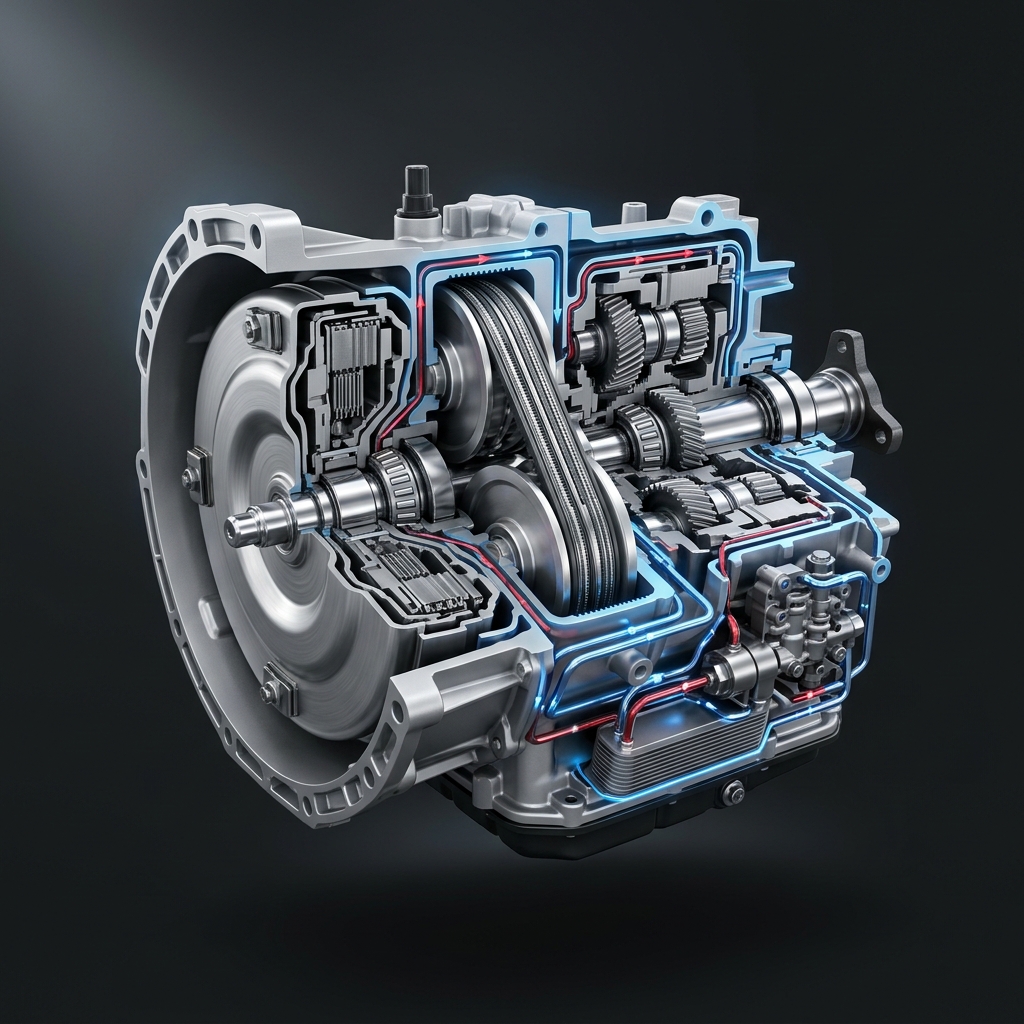
To understand where Nissan stands today, it is essential to distinguish between the early CVTs introduced during the late 2000s and early 2010s versus the updated Xtronic transmissions powering the current lineup. Early CVTs struggled primarily with excessive internal thermal build-up, steel pushing-belt slippage under heavy loads, and fluid breakdown under severe driving conditions. Nissan responded with a series of engineering updates. Newer versions use stronger steel push-belts, updated oil pump designs, improved fluid cooling, and D-Step Logic control software.
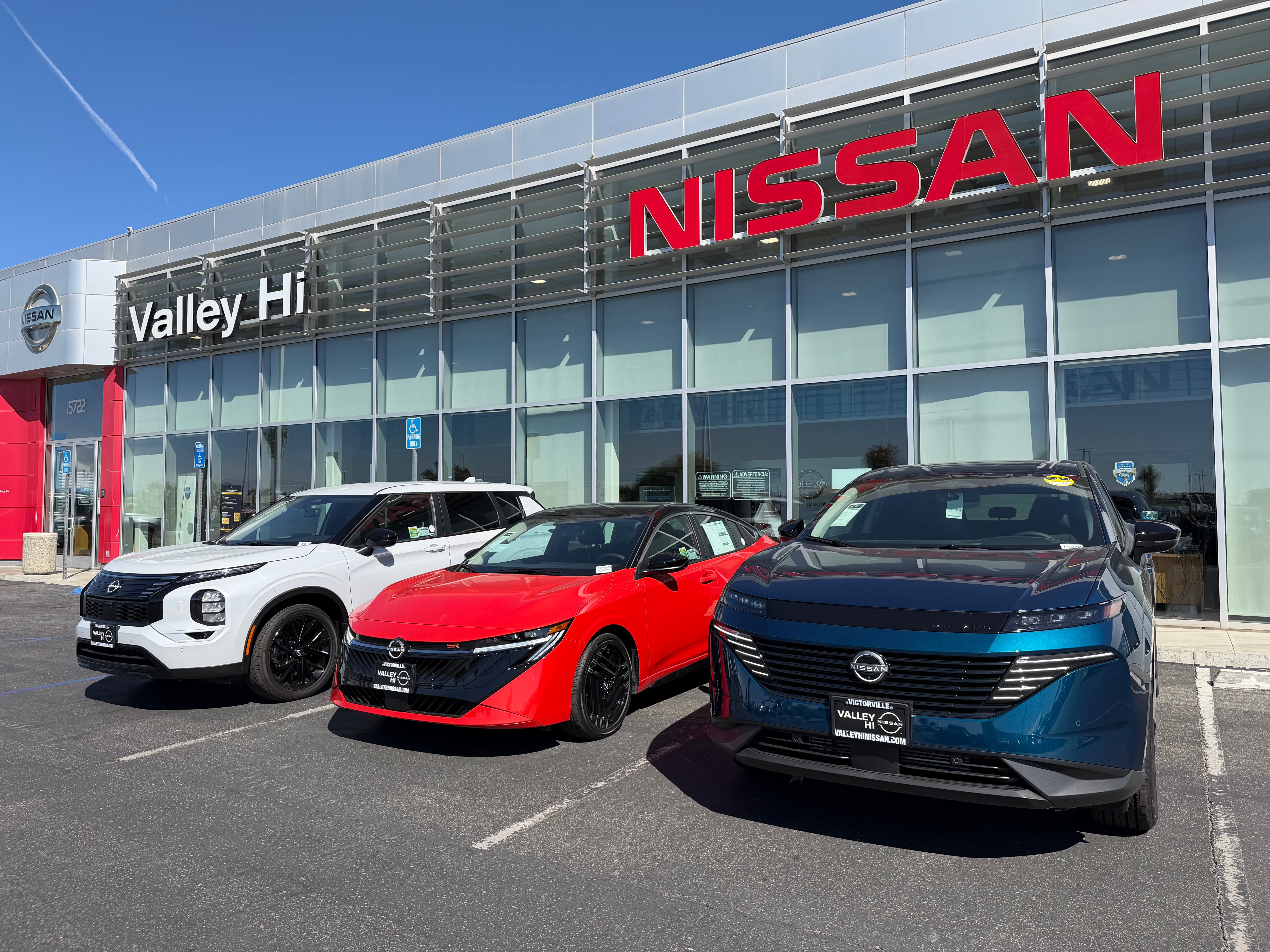
These updates were designed to address the concerns drivers had with earlier generations. Today’s Xtronic CVTs are built to deliver smooth acceleration and strong fuel efficiency when properly maintained. New Nissan vehicles are also backed by a factory powertrain warranty, and coverage details vary by model and model year. If you are exploring a new sedan or crossover at Valley Hi Nissan in Victorville, you can do so with added confidence in the powertrain technology under the hood.
|
Transmission Generation
|
Primary Era
|
Core Engineering Features
|
What It Means for Drivers
|
|
1st Gen Xtronic CVT
|
2003 to 2012
|
Single oil pump, standard fluid cooling, linear gear ratio transition
|
More sensitive to heat and heavy loads
|
|
2nd Gen Xtronic CVT
|
2013 to 2018
|
Reduced friction seals, updated control valves, initial D-Step software
|
Improved efficiency; required strict fluid maintenance
|
|
3rd Gen Xtronic CVT
|
2019 to present
|
Updated oil pump design, stronger steel belt, improved cooling, refined D-Step programming
|
Designed for improved durability and a more natural driving feel
|
What Caused Early Nissan CVT Failures and How D-Step Logic Contributed to Transmission Refinement
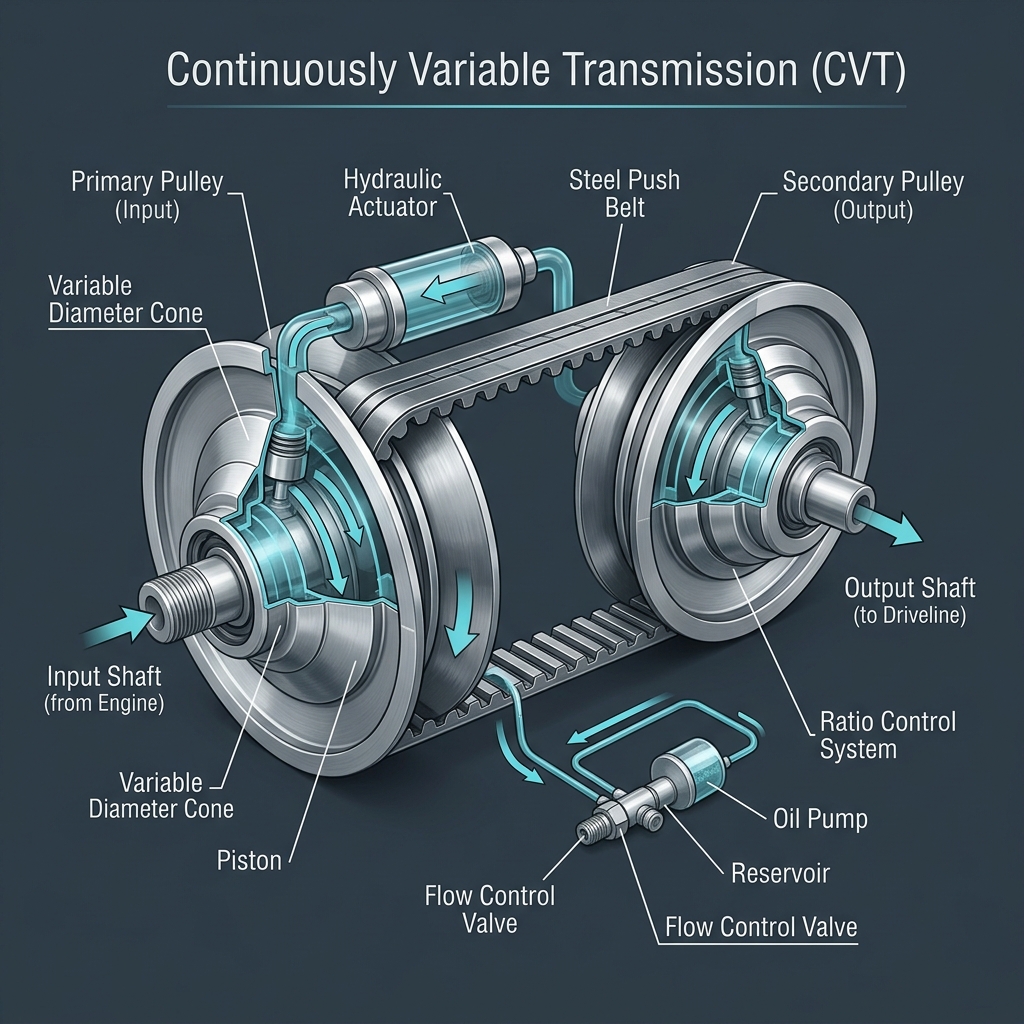
To understand today’s Nissan CVTs, it helps to understand what caused early CVT problems in the late 2000s and early 2010s. Unlike traditional automatic transmissions that rely on fixed planetary gear sets, a CVT uses a high-strength steel belt or chain running between two variable-diameter pulleys. By continuously altering the hydraulic pressure on these pulleys, the transmission dynamically changes gear ratios without distinct gear steps. This design helps keep the engine in its most efficient RPM range, which improves gas mileage.
However, in earlier generations, extended high-speed driving, steep mountain elevation climbs, or high ambient summer temperatures caused transmission fluid temperatures to spike. When the fluid overheated, its hydraulic viscosity degraded, leading to momentary belt slippage on the pulleys. Drivers experienced this as shuddering, delayed acceleration, or the vehicle entering protective ‘fail-safe’ limp mode. Additionally, early fluid formulations lacked the specialized anti-foaming and shear-stability properties necessary to withstand extreme continuous hydraulic pressure.
Nissan addressed these challenges through a combination of engineering updates: advanced fluid formulation, hardware cooling upgrades, and software programming called D-Step Logic. Nissan developed its own CVT fluid, NS-3, designed to hold up better under heat while keeping the right amount of friction between the belt and pulleys. Nissan also updated the transmission’s oil pump and cooling hardware.
D-Step Logic software changed how the transmission operates during hard acceleration. Instead of holding engine RPM at a constant high level (which created a ‘rubber band’ driving feel and elevated fluid temperatures), D-Step simulates subtle, stepped gear shifts. This can create more natural throttle response and may help maintain efficient operation while providing a familiar driving feel.
Which Current Nissan Models Still Use the Xtronic CVT vs. 9-Speed Automatics?
A crucial aspect of modern Nissan vehicle selection is recognizing that Nissan uses different transmission types across its lineup, depending on model and configuration. Sedans and compact crossovers use the latest Xtronic CVT for smooth efficiency, while the Frontier, Pathfinder, Armada, and Murano use a 9-speed automatic.
Sedans & Efficient Models
The Nissan Sentra and Nissan Altima use updated Xtronic CVTs. In lighter, aerodynamic sedans, the CVT delivers strong highway MPG and smooth power in stop-and-go commuter traffic.
Compact & Midsize Crossovers
Popular crossovers including the Nissan Kicks and Nissan Rogue use Xtronic CVTs, with available Intelligent All-Wheel Drive for extra traction in wind, rain, and snow.
How Reliable Are Nissan Vehicles Today?
When you’re judging whether a brand is dependable, independent sources like J.D. Power, Consumer Reports, and RepairPal are good places to start. Rankings change from year to year, so check the latest results for the specific model you’re considering.
Nissan has spent two decades refining its CVT design, and today’s engines, including the VC-Turbo (Variable Compression Turbo) and naturally aspirated four-cylinder engines, are paired with transmissions that reflect those updates.
The best way to judge a Nissan today is to see one in person. Browse our new inventory to find a model that fits how you drive.
High Desert Driving Demands: How Updated CVTs Handle the Cajon Pass and Summer Heat
Driving in Victorville, Apple Valley, Hesperia, and Phelan presents unique automotive stresses that test a vehicle’s cooling systems under demanding conditions. Commuters taking Interstate 15 south toward San Bernardino must navigate the steep, sustained elevation climb of the Cajon Pass daily. Combining that long, steep grade with High Desert summer temperatures that often top 100°F puts extra heat and load on any transmission, and it’s the kind of driving where earlier CVT designs struggled.
Nissan’s updated Xtronic CVTs were designed with better heat management in mind. Improved fluid cooling helps manage transmission temperatures during long climbs, even with the AC running on a hot August afternoon.
The transmission control software also adjusts the ratio on long climbs to keep the engine in its most useful power range. Because a CVT doesn’t have fixed gears, it can avoid the gear “hunting” some conventional automatics do on steep grades.
For High Desert drivers who commute down the hill, that means steady power on the climb back up. On the way down, using a lower range (see your owner’s manual) can add engine braking and take some load off your brakes.
Essential Maintenance Tips for a Nissan Xtronic CVT
Modern Nissan CVTs are designed for long-term use, and regular maintenance is one of the most important things you can do to help yours last. Like any precision machine, skipping service can shorten its life. These habits can help:
1. Keep Up With Fluid Service
Follow the maintenance schedule in your owner’s manual and use the Nissan-specified CVT fluid for your vehicle. Driving in extreme heat or up long grades can count as severe conditions, so ask our service team which schedule fits your driving.
2. Avoid Harmful Habits
Avoid ‘rocking’ the vehicle between Drive and Reverse while still rolling. Always come to a complete stop before shifting between Drive and Reverse. Never tow more than your vehicle’s rated capacity, and avoid long periods of idling with the AC on high in extreme heat.
3. Use Certified Service
Nissan-trained technicians can check fluid condition and scan the transmission with Nissan’s CONSULT diagnostic tools during routine visits. Schedule service at Valley Hi Nissan to have our team inspect and service your transmission.
What Is Nissan's Current Product Strategy and How Does It Benefit Buyers?
Under its Nissan NEXT business plan, Nissan shifted its focus away from high-volume fleet sales and toward product quality and a refreshed lineup.
For shoppers, that has meant a newer lineup across sedans, crossovers, SUVs, and trucks, with more standard safety and technology features than earlier model years.
Every new Nissan comes with factory warranty coverage, and our team can walk you through the details for the model you’re considering. For current pricing and availability, browse our new Nissan inventory or contact Valley Hi Nissan.
What Is Nissan Safety Shield 360 and What Features Are Included Standard?
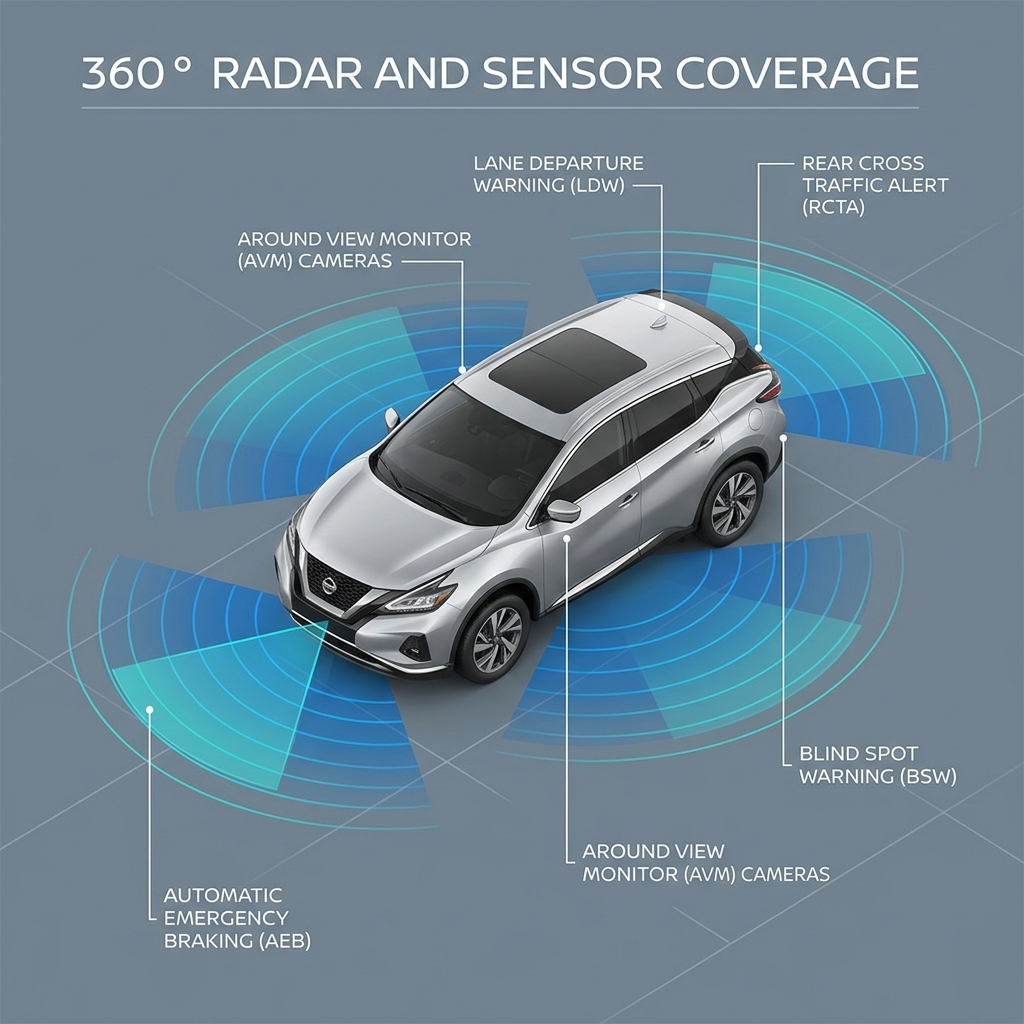
In addition to mechanical refinements, safety technology is a primary reason drivers choose Nissan today. Nissan Safety Shield 360 is a comprehensive suite of six advanced driver-assist technologies designed to monitor, respond, and protect you and your passengers from potential hazards in all directions. Nissan includes Safety Shield 360 as standard equipment on much of its current lineup. Availability varies by model and trim.
The suite includes six core safety features:
- Automatic Emergency Braking with Pedestrian Detection: Monitors the road ahead and can apply the brakes to help avoid or reduce a front collision.
- Rear Automatic Braking: Can detect stationary objects behind you while reversing and apply the brakes.
- Blind Spot Warning: Helps watch hard-to-see adjacent lanes when changing lanes or merging.
- Rear Cross Traffic Alert: Warns of approaching vehicles when backing out of a parking spot.
- Lane Departure Warning: Alerts you if you drift out of your lane without signaling.
- High Beam Assist: Automatically switches between high and low beams based on traffic ahead.
Combined with available ProPILOT Assist on select trims, these features can help reduce driver fatigue on long commutes on the 15 or extended road trips. Driver assistance features have limitations and are not a substitute for safe driving. See Owner’s Manual for details.
What Comes Standard on Popular Nissan Models?
Beyond the transmission, Nissan equips many of its most popular models with comfort, technology, and safety features that make daily driving easier. Here’s a quick look at the Rogue and Altima:
|
Feature
|
Nissan Rogue and Altima
|
|
Active Safety
|
Standard Nissan Safety Shield 360, including Rear Automatic Braking
|
|
Seating Comfort
|
NASA-inspired Zero Gravity front seats
|
|
Infotainment
|
Available 12.3-inch touchscreen with wireless Apple CarPlay®
|
|
Driver Assistance
|
Available ProPILOT Assist on select trims
|
Comfort-Focused Interior
Nissan’s Zero Gravity Seats are designed for supportive long-distance comfort.
Technology Features
Available features include a customizable digital driver display, Google built-in, and Bose® Premium Audio on select models and trims.
Is It Safe to Buy a Used or Certified Pre-Owned Nissan with a CVT?
If you’re shopping for a pre-owned Nissan, the model year matters. Many shoppers focus on 2019 and newer models, which use the updated third-generation Xtronic CVT covered in the table above. Whatever the year, the vehicle’s maintenance history matters just as much.
When buying pre-owned, a Nissan Certified Pre-Owned (CPO) vehicle is one available option. To earn factory certification, a pre-owned Nissan must pass a multipoint inspection and meet age and mileage requirements, subject to program terms.
Nissan Certified Pre-Owned vehicles include a limited powertrain warranty that starts from the vehicle’s original in-service date. Coverage details vary, so confirm them with our team for the vehicle you’re considering.
When shopping for a used non-CPO vehicle, check the maintenance records for regular CVT fluid service, and take a thorough test drive. Acceleration should feel smooth, without shuddering, slipping, or whining. You can explore certified pre-owned inventory on our website.
Test Drive a Modern Nissan at Valley Hi Nissan in Victorville, CA
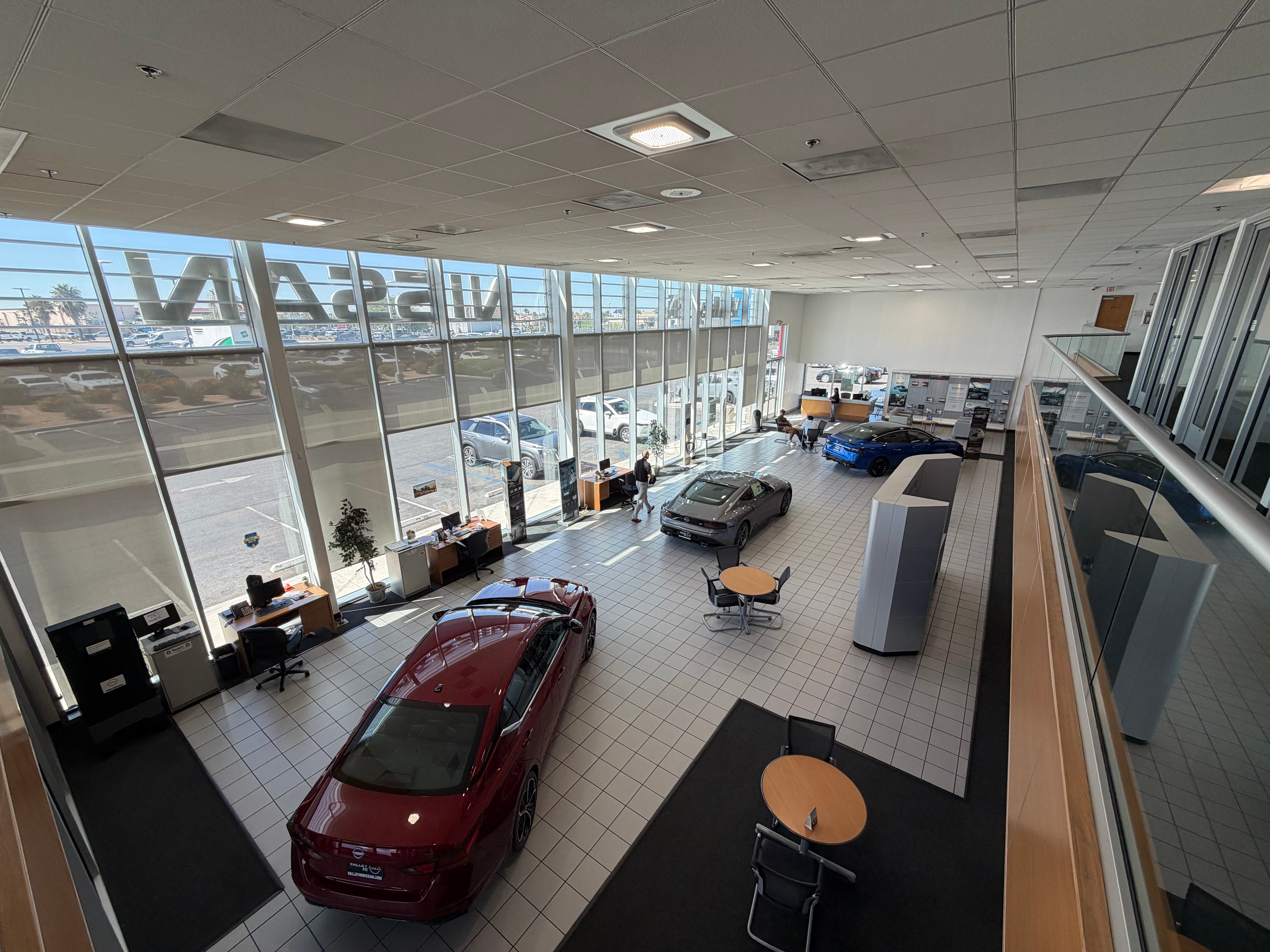
A test drive is the best way to experience the updated Xtronic CVT for yourself. The team at Valley Hi Nissan invites drivers from Victorville, Apple Valley, Hesperia, Barstow, and across the High Desert to test drive modern Nissan models.
Whether you are interested in trying the efficient Sentra, the versatile Rogue, or the rugged Pathfinder, our team is here to answer your questions. Get directions to Valley Hi Nissan located conveniently at 15722 Valley Park Ln, Victorville, CA 92394. You can also call us at (760) 241-1700 to schedule a personalized test drive or schedule your next routine maintenance appointment.

0 comment(s) so far on Has Nissan Fixed Its Xtronic CVT Transmission Issues? The Direct Answer for Today’s Buyers